

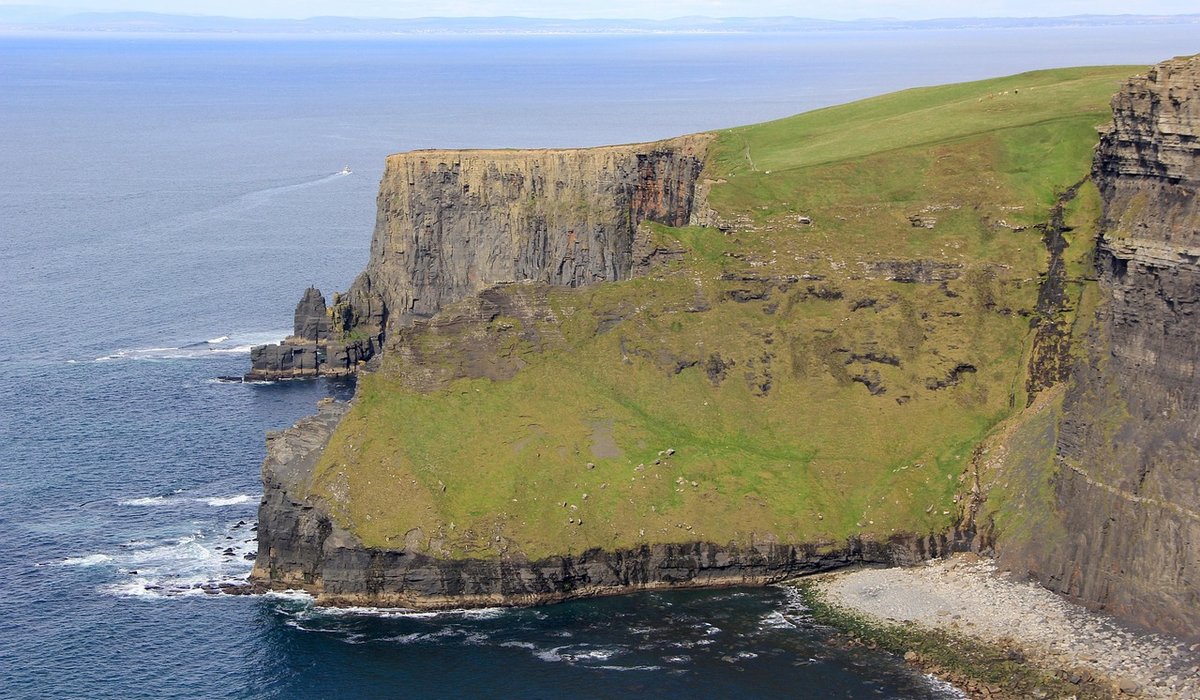
Tracing Irish Emigration to Britain and Beyond
Irish emigration to Britain is one of the great human stories of these islands. For centuries, Irish men and women have crossed the Irish Sea in search of work, safety and a new life. Their descendants now number in the millions, and their heritage is woven into the fabric of British life. Whether you are tracing your own Irish roots or simply curious about this shared history, the story is full of practical detail, heartbreak and enduring culture.
From Seasonal Migration to Famine Ships
Long before the Great Famine, Irish people moved to Britain for seasonal work. Harvest labourers crossed for the summer, returning home in winter. Weavers, hawkers and sailors followed trade routes. By the early nineteenth century, Liverpool and Glasgow had growing Irish quarters.
The catastrophe of 1845–52 changed everything. Potato blight destroyed the staple crop, and hunger, disease and eviction forced millions to leave. Coffin ships carried them to Liverpool, Glasgow, Cardiff and London. By 1851, over 700,000 Irish-born people lived in Britain. Many moved on to America, Canada or Australia, but a great many stayed.
The journey was often brutal. Passengers were packed into cargo vessels with little food or clean water. Those who arrived in Britain frequently landed with nothing. Yet they built lives, street by street.
Settling in Britain: Cities, Streets and Trades
Irish immigrants clustered in specific districts. In Liverpool, the Scotland Road area became famously Irish. Glasgow's Garngad and Gorbals, Manchester's Ancoats, London's Kilburn and Camden, and parts of Birmingham, Leeds and Cardiff all developed strong Irish communities.
Work was hard and often dangerous. Irishmen dug canals and railways as navvies, and worked the docks, mills and mines. Irishwomen found roles in domestic service, textiles, nursing and teaching. The Catholic Church provided parishes, schools and welfare, while friendly societies offered insurance and companionship.
Prejudice was real. Signs reading "No Irish Need Apply" appeared in windows and newspapers. But Irish workers also organised, joined trade unions, and gradually moved into skilled trades, politics and the professions.
Keeping Culture Alive: Music, Language and Celebration
Wherever Irish people settled, they carried their culture. Music was central: fiddle, flute, bodhrán and uilleann pipes played in pubs, halls and kitchens. Céilí dances and set dancing kept communities together. The Gaelic Athletic Association founded clubs across Britain, from London to Warwickshire.
The Irish language survived in pockets. Classes, conversation circles and cultural societies kept it alive, especially in London and Manchester. Storytelling and sean-nós singing passed down memories of home.
St Patrick's Day became a public celebration. Parades in London, Birmingham, Liverpool, Manchester and Glasgow now draw tens of thousands. County associations, Irish centres and festivals such as the Fleadh Cheoil celebrate heritage year-round. Food plays its part too: soda bread, bacon and cabbage, and a proper cup of tea.
Today, a new generation is rediscovering these traditions. Young musicians blend Irish tunes with folk, punk and electronic sounds. Irish language classes are full. The culture is not a museum piece; it is living and evolving.
Researching Your Irish Ancestors: Practical Steps
Tracing Irish ancestors is rewarding but demanding. Many records were lost in 1922, and common surnames can make life difficult. Start with what you know and work backwards.
- Gather family stories, photographs, letters and certificates. Ask older relatives about names, places, trades and townlands.
- Use British records first: census returns from 1841 to 1921, civil registration of births, marriages and deaths, and parish registers. These often give an Irish county or townland.
- Search Irish records: civil registration (from 1864 for Catholic marriages and all births, from 1845 for non-Catholic marriages), the 1901 and 1911 censuses, Griffith's Valuation, the Tithe Applotment Books, and parish registers.
- Look at poor law union records, workhouse registers and emigrant savings schemes. These can reveal the exact place a family left.
- Contact county heritage centres and local archives. They hold graveyard inscriptions, estate papers and local histories.
- Use DNA testing alongside paper records. It can connect you with cousins and confirm brick walls, but it never replaces documentary research.
Pay attention to spelling variants: O'Neill, Neill, Neal. Check both Irish and British spellings. A townland, not just a county, is the key to Irish genealogy.
Beyond Britain: The Wider Irish Diaspora
Britain was rarely the final destination for every emigrant. From Liverpool, many sailed to New York, Boston, Toronto, Sydney and Auckland. Others went to Argentina, South Africa and India. The Irish diaspora is global, but Britain remains the closest and largest.
In the twentieth and twenty-first centuries, Irish people continued to arrive: nurses in the NHS, builders after the war, musicians, writers, engineers and entrepreneurs. The 2008 financial crisis reversed the flow for a time, as young Irish graduates moved to London, Manchester and Edinburgh. Today, remote work and cheap flights keep families connected.
Irish heritage in Britain is not just about the past. It is about community, resilience and a distinctive way of seeing the world. Whether you are planning a trip to a county archive, learning a tune, or simply cooking a Sunday roast with a side of stuffing, you are part of a long and generous story.


History
-
This coastal route offers dramatic cliffs, quiet villages, and warm welcomes, making it ideal for a slow driving holiday.


Travel




-

Long established fact that a reader will be distracted
-

Long established fact that a reader will be distracted
-

Long established fact that a reader will be distracted




Genealogy
Karla Gleichauf
12 May 2017 at 05:28 pm
On the other hand, we denounce with righteous indignation and dislike men who are so beguiled and demoralized by the charms of pleasure of the moment
M Shyamalan
12 May 2017 at 05:28 pm
On the other hand, we denounce with righteous indignation and dislike men who are so beguiled and demoralized by the charms of pleasure of the moment
Liz Montano
12 May 2017 at 05:28 pm
On the other hand, we denounce with righteous indignation and dislike men who are so beguiled and demoralized by the charms of pleasure of the moment