

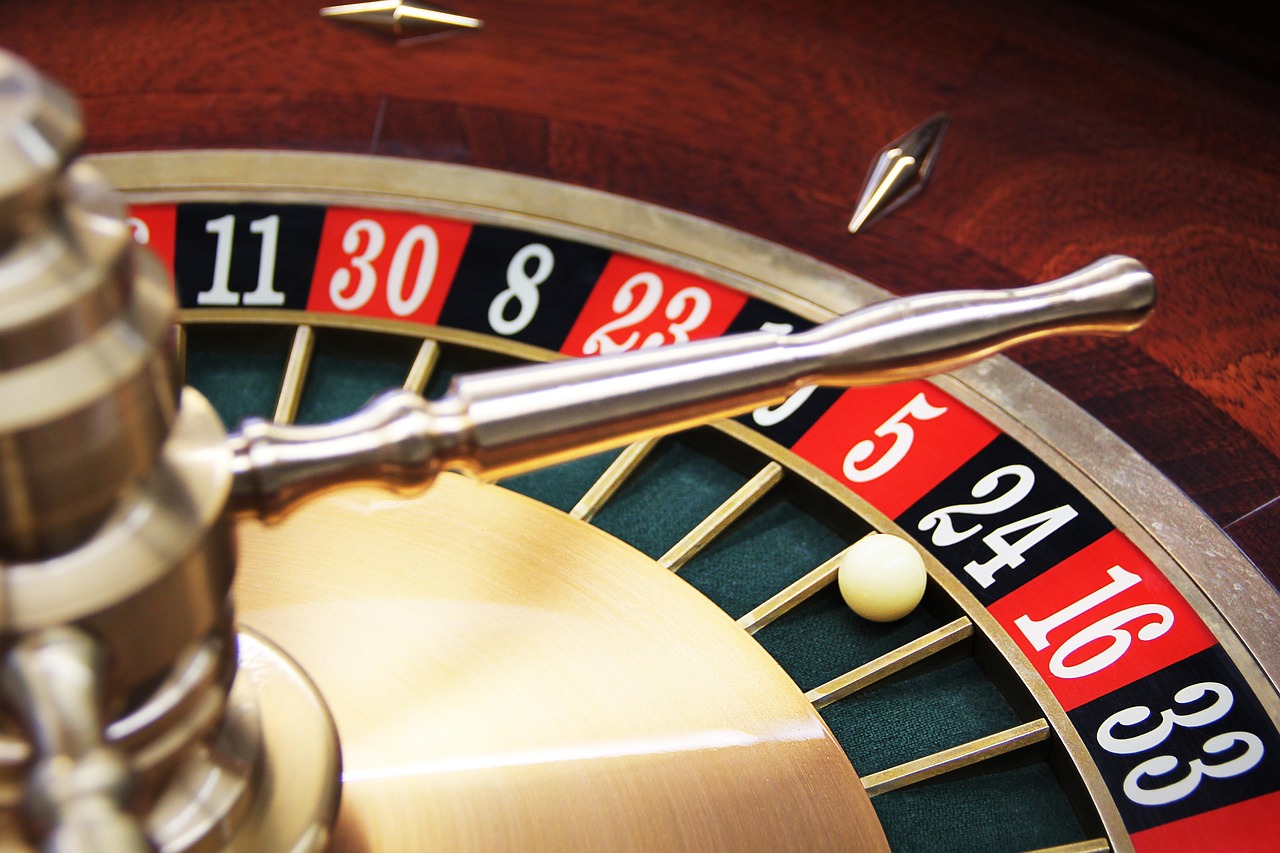
Slots, Poker, and the Real Math Behind iGaming Wins
Most people who lose money at online casinos don't lose because they're unlucky. They lose because nobody ever sat them down and explained how the math actually works. The slot machine doesn't hate you. The poker room isn't rigged against you specifically. But the house edge is real, it's baked into every game, and understanding it is the single biggest difference between a casual player who enjoys a Friday night session and a frustrated one who can't figure out why their balance keeps hitting zero.
Let's talk about what's actually going on under the hood of the games you're playing.
The House Edge Isn't a Bug, It's the Whole Business Model
Every casino game has a built-in mathematical advantage for the operator. That's not a conspiracy; it's how the industry survives. What separates a smart player from a reckless one is knowing where that edge is smallest and where it's brutal.
Here's a rough comparison to keep in your head:
- Blackjack (basic strategy): roughly 0.5% house edge
- Baccarat (banker bet): about 1.06%
- European roulette: 2.7%
- American roulette: 5.26% (that extra double-zero really hurts)
- Slots: typically 2% to 10%, sometimes higher
- Keno: often 25% or worse
Notice the pattern? Games of skill and simple probability sit at the bottom. Games of pure chance with flashy graphics sit at the top. That's not a coincidence. The casino makes its money on games where players can't use decision-making to reduce the edge.
Slots: The Most Misunderstood Game in the Building
Slots get dismissed by "serious" players as mindless, but they're actually fascinating if you bother to learn how they work. Modern video slots aren't mechanical reels with physical stops. They're random number generators producing thousands of outcomes per second, and the visual spin is just theater layered on top.
The key numbers to know are RTP (return to player) and volatility. RTP is the percentage of all wagered money a slot pays back over millions of spins. A 96% RTP slot keeps 4% on average. Volatility describes how that return is delivered.
- Low volatility: frequent small wins, steady grind, less exciting
- Medium volatility: balanced hit frequency and payout size
- High volatility: long dry spells punctuated by rare, massive wins
Here's the practical tip most guides skip: match volatility to your bankroll, not your mood. If you have $50 and you're playing a high-volatility slot with 1,000x max wins, you'll probably bust before the bonus ever triggers. If you have $500 and you're bored on a low-volatility game, you'll grind for hours and walk away with $480. Neither is wrong, but knowing which you're choosing is everything. Readers looking for specifics may like สล็อตเว็บตรง.
Also, check the RTP before you spin. It's usually buried in the paytable menu. A slot at 94% versus 97% is a massive difference over hundreds of spins.
Poker: The Only Game Where You're Not Playing the House
This is the thing that separates poker from everything else in the iGaming world. When you sit at a poker table, you're not gambling against the casino. You're gambling against other players, and the house just takes a rake. That single fact changes everything about strategy.
Poker is a game of incomplete information and edge extraction. If you're the worst player at the table, you're the fish, and you'll lose over time no matter how lucky you get. If you're the best, you'll win regardless of short-term variance. This is why serious poker players think in terms of expected value on every single decision, not just outcomes.
A few principles that separate winning players from break-even ones:
- Position matters more than cards. Acting last gives you information every other player doesn't have.
- Bankroll management is non-negotiable. The standard rule is 20 to 30 buy-ins for the stakes you're playing.
- Track everything. If you don't know your win rate over your last 10,000 hands, you don't know if you're actually winning.
- Game selection beats strategy. A mediocre player at a soft table beats a great player at a tough one.
Bankroll Management: The Rule Nobody Follows
If there's one piece of advice that applies across slots, betting, and poker equally, it's this: never gamble money you can't afford to lose, and treat your bankroll as a separate, ring-fenced pool of money that has nothing to do with rent, groceries, or savings.
Here's a framework that actually works for recreational players:
- Decide on a monthly entertainment budget for iGaming and stick to it.
- Never top up mid-session because you're chasing a loss.
- For sports betting, flat-stake 1% to 2% of your bankroll per bet until you've proven a long-term edge.
- For slots, choose bet sizes that give you at least 200 spins on your session budget.
- Cash out wins strategically, not emotionally.
The players who survive long-term aren't the ones who hit the biggest jackpots. They're the ones who never let a bad night turn into a bad month.
Sports Betting: Edges Are Found, Not Guessed
Sports betting gets lumped into the iGaming conversation alongside casino games, but the dynamics are completely different. With a slot, you're playing a fixed mathematical model. With a sports bet, you're pricing an uncertain event against an odds line set by a bookmaker who employs a team of quants.
The concept of value betting is often explained badly. A value bet isn't a bet you think will win. It's a bet where you believe the true probability of an outcome is higher than the odds imply. If a bookmaker offers +150 on an event you estimate has a 45% chance, that's value even if you lose. If they offer -200 on something you think is 70% likely, you should probably pass.
Line shopping is the most underrated skill in sports betting. Getting +105 instead of -110 on the same bet doesn't sound like much until you multiply it across hundreds of bets. Over a season, the difference is thousands of dollars. If you're not comparing odds across multiple books, you're leaving money on the table every single time.
The Long Game
iGaming is entertainment first. The moment you forget that, the math stops being fun and starts being a tax on hope. But entertainment and intelligence aren't opposites. You can enjoy a slot session, play a poker tournament, or ride a Sunday parlay while still knowing exactly what you're up against. The players who last are the ones who respect the edge, manage their money, and treat every game as what it is: a probabilistic system with a cost of admission. Know the cost, decide if it's worth it, and let the variance do what it's going to do.


History
-
The Norman invasion reshaped Irish politics and land ownership, leaving a lasting mark on towns, families, and the English language in Ireland.


Travel




-

Long established fact that a reader will be distracted
-

Long established fact that a reader will be distracted
-

Long established fact that a reader will be distracted




Genealogy
Karla Gleichauf
12 May 2017 at 05:28 pm
On the other hand, we denounce with righteous indignation and dislike men who are so beguiled and demoralized by the charms of pleasure of the moment
M Shyamalan
12 May 2017 at 05:28 pm
On the other hand, we denounce with righteous indignation and dislike men who are so beguiled and demoralized by the charms of pleasure of the moment
Liz Montano
12 May 2017 at 05:28 pm
On the other hand, we denounce with righteous indignation and dislike men who are so beguiled and demoralized by the charms of pleasure of the moment